
Discover Venezia
- About 50,000 residents in the historic lagoon centre
- Veneto
- CET/CEST (UTC+1 / UTC+2)
History
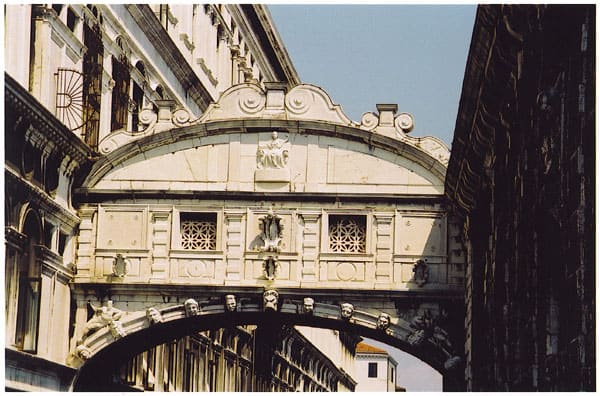
Venice’s origins trace back to the 5th and 6th centuries AD, when people from the Veneto mainland, fleeing barbarian invasions, took refuge among the islands and shallows of the lagoon. The earliest settlements rose on wooden piles driven into the mud — a building method an entire city would eventually be built upon. In 697, the Republic elected its first doge, beginning a line of leadership that would continue, almost without interruption, for more than a thousand years.
Between the 11th and 13th centuries, Venice reached its peak as a maritime and trading power, one of the great Maritime Republics alongside Genoa, Pisa, and Amalfi. Venetian merchants controlled Mediterranean trade routes, bringing spices, silk, and gold from the East into the city — wealth that funded the palazzi, churches, and artworks that still line its canals today.
That commercial splendour translated into architectural and artistic splendour to match: St Mark’s Basilica, the Doge’s Palace, and the dense weave of calli and campi that make up the historic centre still tell the story of a city-state whose wealth and taste for beauty engaged with the East more closely than any other European power of its time.
The decline came slowly, as Mediterranean trade routes lost their importance and pressure mounted from Europe’s larger powers, until 1797, when Napoleon Bonaparte brought the Republic to an end and ceded it to Austria. After more than a thousand years of independent history, the Serenissima ceased to exist as a state — but the city it built, suspended between water and stone, remains one of the most unique urban experiences in the world.
Did you know?
- Venice has no roads for cars: you get around entirely on foot or by boat, along more than 150 canals crossed by over 400 bridges.
- Calle Varisco, near Santa Fosca, is one of the narrowest streets in the world: just 53 centimetres wide, too narrow for two people to pass side by side.
- The Libreria Acqua Alta keeps its books inside gondolas and old bathtubs, ready to protect them whenever the water rises into the shop.
- The city sits on more than 100 small lagoon islands, joined into a single historic centre by centuries of bridges and canals.
- During the most exceptional high-water events, the tide can rise past a metre and a half, flooding up to 60% of the city's streets — a well-monitored tidal phenomenon usually forecast hours in advance.
- The Republic's first doge was elected in 697; from there followed an almost unbroken line of 118 doges over more than a thousand years.
Must-see
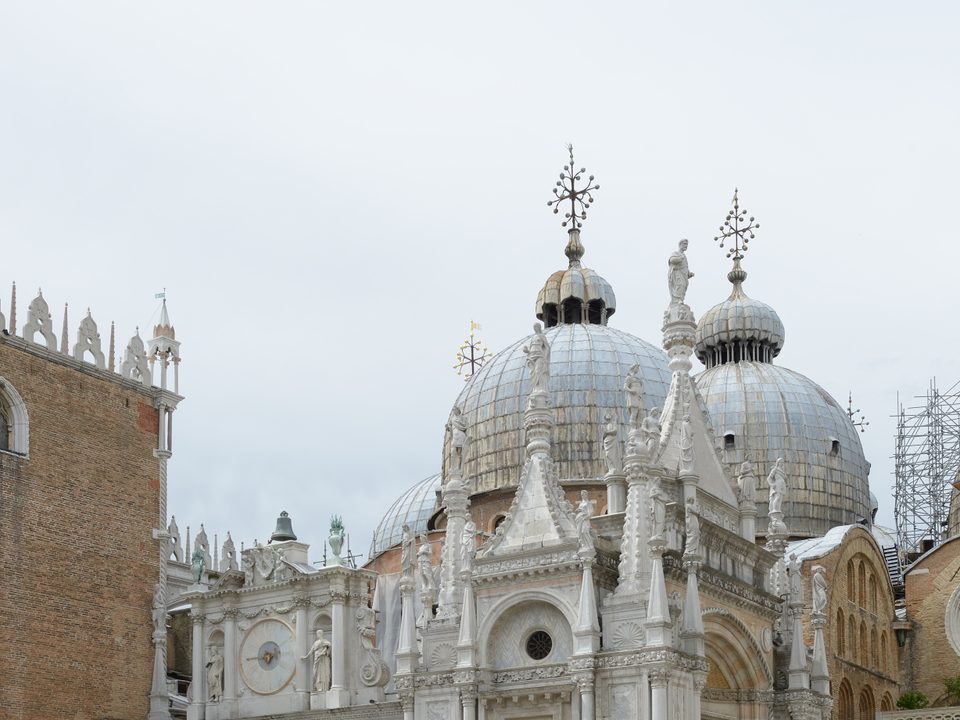
- St Mark's Basilica — Venice's cathedral church, a Byzantine-domed masterpiece covered in gold mosaics on Piazza San Marco.
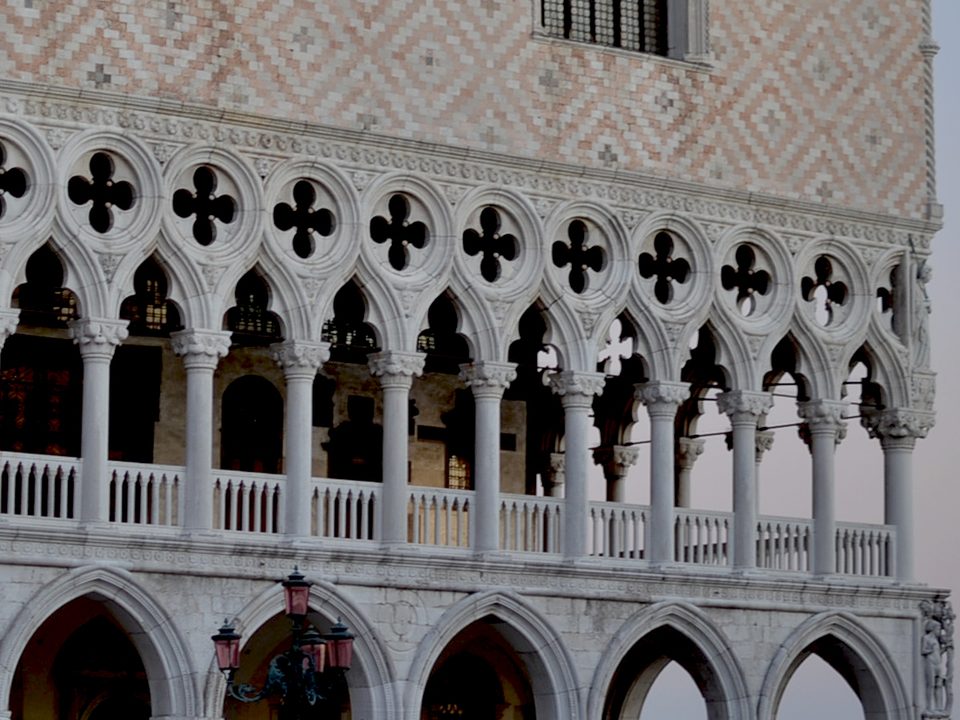
- Doge's Palace — The Gothic seat of Venetian power for a thousand years, connected to the old prisons by the Bridge of Sighs.
- Rialto Bridge — The oldest of the four bridges spanning the Grand Canal, lined with shops since the 16th century.
Local dishes
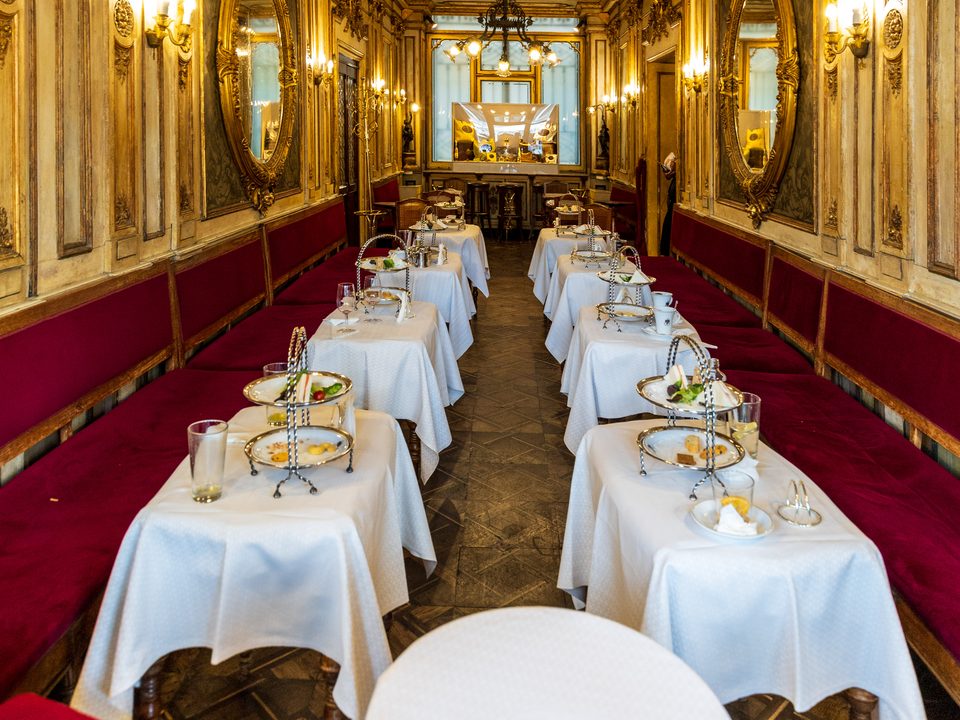
- Sarde in saor — Fried sardines marinated with onion, raisins, and pine nuts, originally a way for Venetian sailors to preserve fish on long voyages.
- Bigoli in salsa — Thick fresh pasta tossed in a sauce of onions and anchovies, traditionally eaten on meat-free fasting days.
- Baccalà mantecato — Whipped salt cod beaten with oil until silky smooth, served spread on slices of grilled polenta or bread.
- Risi e bisi — Rice and fresh peas, a spring dish once served to the doge on the feast day of St Mark.
- Fritto misto di paranza — Fried Adriatic fish and seafood, served piping hot, often in a paper cone to eat on the go.
Practical info
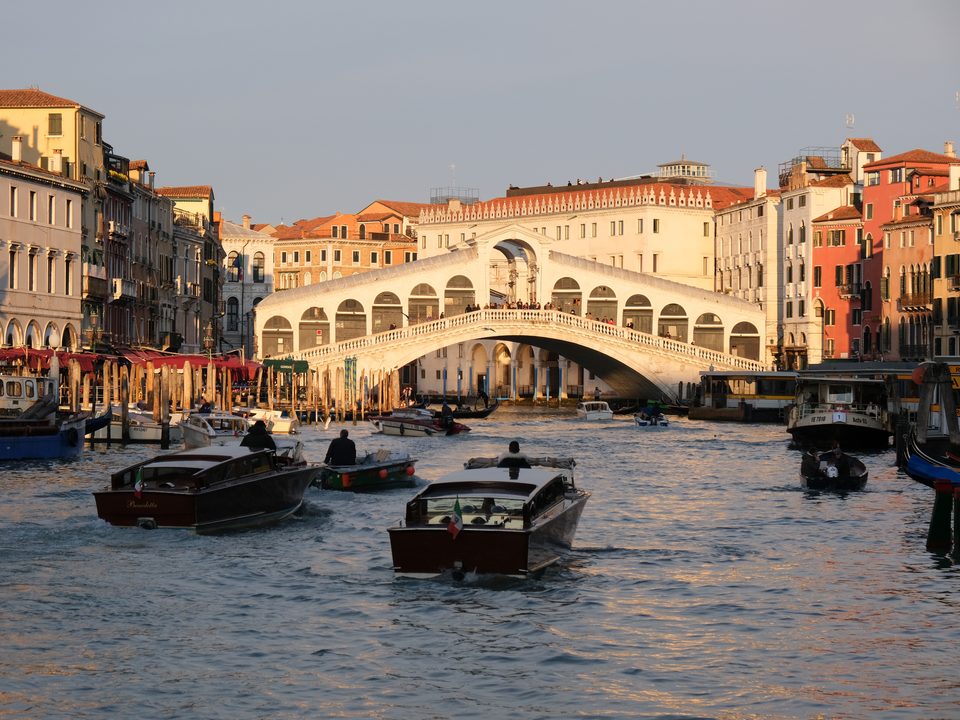
Getting around
Venice can only be explored on foot or by water: the vaporetto (water bus) is the main public transport, with lines 1 and 2 running along the Grand Canal for an unmatched view of the historic palazzi. A single ticket costs around €9.50 and is valid for 75 minutes; if you're taking several rides in a day, a day pass usually pays for itself. Always validate your ticket before boarding, and at major stops like San Marco or Ferrovia check the landing's letter as well as the line number, since several docks often share the same side of the canal.
When to go
Spring and autumn bring pleasant weather and a more liveable city than the summer peak. High water (acqua alta) is more frequent between October and January, but it's forecast hours in advance and the city is well equipped with raised walkways at the lowest points. Summer is hot and heavily touristed, while Carnival in February and the Art Biennale draw especially large crowds.
Good to know
- If visiting between autumn and winter, check the tide forecast — raised walkways go up at the lowest points so you can keep walking with dry feet.
- At vaporetto stops, always check both the letter and the line number — different docks on the same side often serve different directions.
- Restaurants right around Piazza San Marco tend to charge more; walking just a few streets away often gets you the same specialities for a fairer price.
- Lunch and dinner follow similar hours to the rest of Italy, roughly 1-3pm and after 7:30pm — many restaurants close in between.